Synchronizing Deposit Verifications With Dynamic Odds Shifts in Extended App Sessions
Dana Foster · Oct 11, 2026
Synchronizing Deposit Verifications With Dynamic Odds Shifts in Extended App Sessions
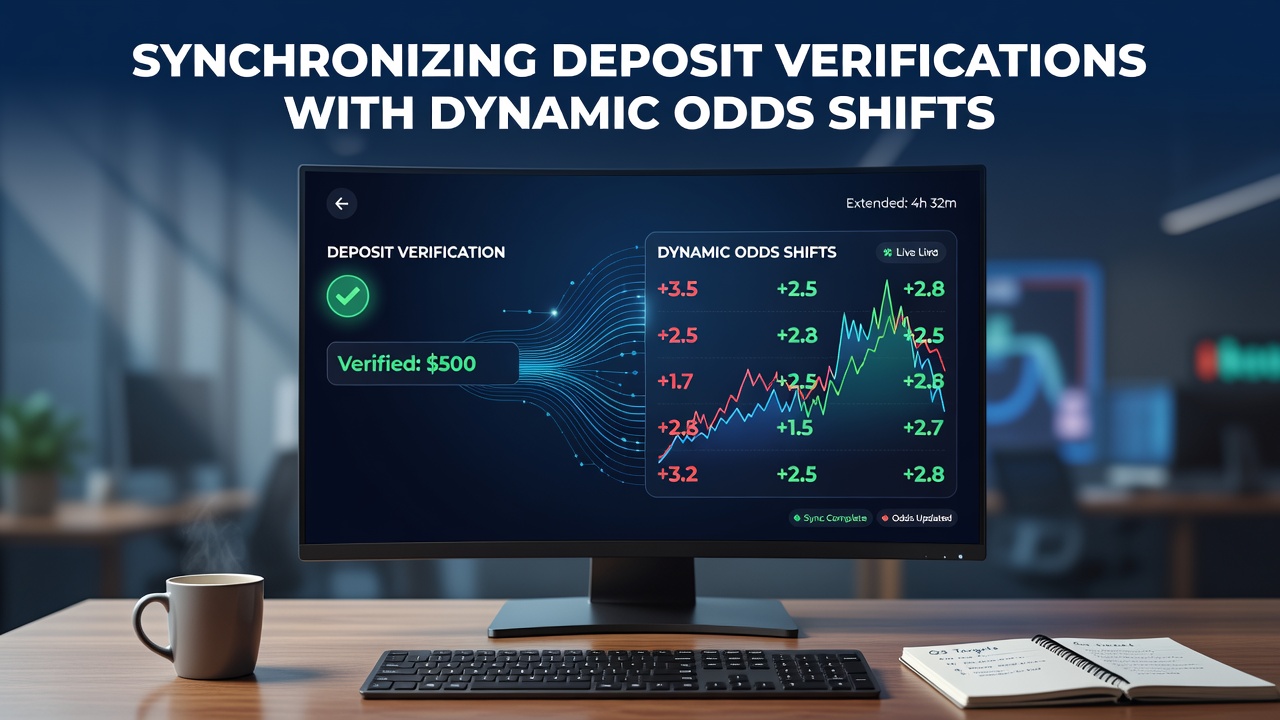
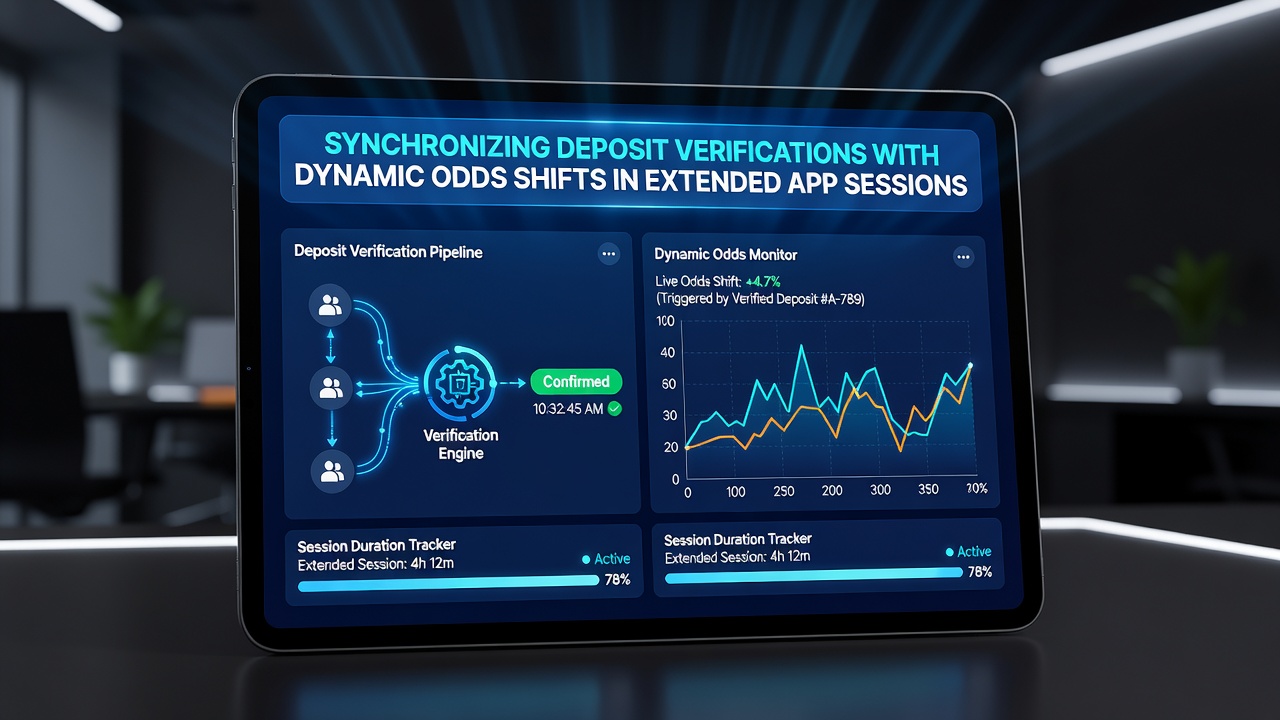
Operators in the digital wagering sector continue to refine systems that align deposit verification steps with real-time odds movements inside prolonged mobile sessions, and data from industry platforms show these alignments reduce transaction friction while preserving compliance standards. Platforms process incoming deposits through layered authentication protocols that cross-reference user details against live market feeds, allowing odds to adjust in response to new wagers or external events without forcing users to exit the session. Researchers tracking app performance metrics note that synchronization occurs via API connections between payment processors and odds engines, where verification timestamps trigger immediate recalibrations in displayed probabilities across multiple events.
Core Mechanisms Behind Verification and Odds Integration
Payment gateways initiate verification sequences as soon as a deposit request enters the system, pulling data on account status, transaction history, and regulatory flags while the odds engine simultaneously monitors shifts driven by volume changes or live outcomes. Systems route these parallel streams through unified middleware that timestamps each step, ensuring a deposit cleared at one moment reflects updated odds available seconds later. Observers at major development firms report that extended sessions spanning multiple hours benefit most from this approach because cumulative odds movements can exceed initial ranges, and verification delays otherwise create mismatches between intended and executed wagers.
Developers incorporate buffer layers that hold pending verifications in queue until confirmation arrives, at which point the app pushes refreshed odds directly to the user interface without reloads. This process draws on established data pipelines that update every few seconds during peak activity periods, and figures from platform analytics indicate average session lengths increased by measurable margins once these pipelines stabilized. Those who manage backend operations emphasize the role of event-driven triggers that activate verification checks only when odds volatility crosses predefined thresholds, thereby conserving server resources during quieter intervals.
Regulatory Frameworks and Geographic Variations
Regulatory bodies across regions impose distinct requirements on how verification and odds data interact within single sessions. The Nevada Gaming Control Board maintains guidelines that require audit trails linking each deposit confirmation to subsequent odds displays, and these records help demonstrate adherence during compliance reviews. Nevada Gaming Control Board resources outline specific logging standards that operators apply when building synchronization features for extended app use. In contrast, frameworks from the Malta Gaming Authority stress real-time reporting of odds alterations tied to verified funds, which influences how European-facing platforms structure their middleware connections.
October 2026 saw several North American operators release updated compliance modules that incorporated automated cross-checks between deposit timestamps and odds fluctuation logs, and these updates aligned with broader industry pushes toward standardized data formats. Academic studies from institutions such as the University of Nevada, Reno, have examined how such modules affect user retention patterns across multi-hour sessions, revealing correlations between seamless verification flows and continued engagement on regulated platforms.
Technical Challenges in Prolonged Sessions
Network latency introduces variables that complicate synchronization when sessions stretch beyond standard durations, as delays in verification responses can lag behind rapid odds adjustments triggered by breaking news or in-game developments. Engineers address this through redundant verification pathways that fallback to cached data when primary channels slow, while the odds engine continues broadcasting updates independently. Studies of app telemetry show that sessions lasting over ninety minutes encounter higher rates of partial mismatches, prompting teams to deploy predictive caching that anticipates verification completion times based on historical payment processor performance.
Security protocols add another layer, requiring encryption handshakes during verification that momentarily pause data exchange with the odds system. Teams mitigate pauses by sequencing these handshakes to coincide with natural lulls in odds volatility, and this sequencing preserves the appearance of continuous market movement on the user side. Those monitoring platform health metrics note that error rates drop when verification and odds components share synchronized clocks, allowing precise reconciliation of events even after extended idle periods within a single login.
Implementation Examples Across Platforms
One major operator integrated a verification layer that queries banking partners in parallel with live sports data streams, resulting in deposit approvals that immediately influence displayed accumulator odds without separate user prompts. Another platform applied similar logic to casino-style games where odds on virtual tables shift according to player volume, and verification sync ensured new deposits reflected current payout structures from the moment funds posted. These examples illustrate how middleware orchestration supports both sports and table environments during sessions that span multiple event cycles.
Conclusion
Platforms continue advancing synchronization between deposit verifications and dynamic odds shifts as extended app sessions become more common, and regulatory updates through 2026 reinforce the need for precise logging and real-time alignment. Data pipelines, middleware triggers, and geographic compliance standards together shape how these systems function, providing operators with tools to maintain session continuity while meeting established oversight requirements from bodies such as those in Nevada and Malta.